
Troubleshooting
Your social media posts might seem harmless, but oversharing can expose you to serious risks—from identity theft to workplace discrimination. These 10 dangers reveal how everyday online habits put your privacy in danger without you even realizing it.
Identity Theft Through Location Sharing
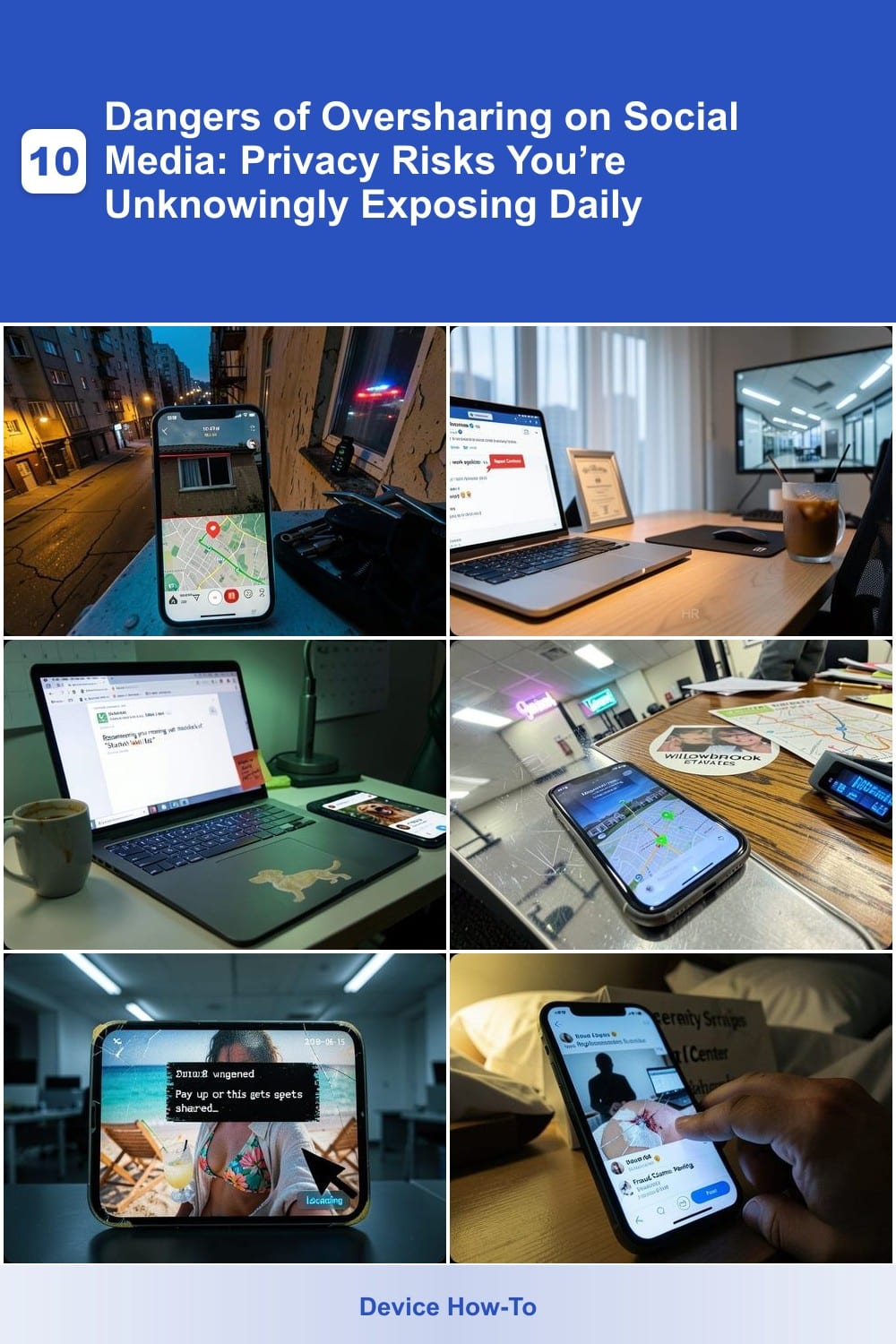
Ever hit "share my location" for a quick meetup, only to forget it’s still broadcasting your every move? That real-time location tag—whether from Instagram Stories, Snapchat, or even fitness apps—can turn your daily routine into a blueprint for criminals.
Burglars and scammers don’t just peek at your posts; they track patterns. A 9 AM coffee shop check-in every Tuesday? That’s your alone-time window. A weekend hike post? Now they know your home is empty. Apps like Find My Friends or Google Maps’ location history can expose your home address, workplace, and even your car’s parking spot—all without you realizing it’s public.
This risk isn’t just for tech novices—celebrities, executives, and everyday users have fallen victim. The fix? Disable location sharing by default, use private accounts, and audit app permissions regularly. Your privacy isn’t just data—it’s your safety. 💻
Workplace Discrimination From Oversharing
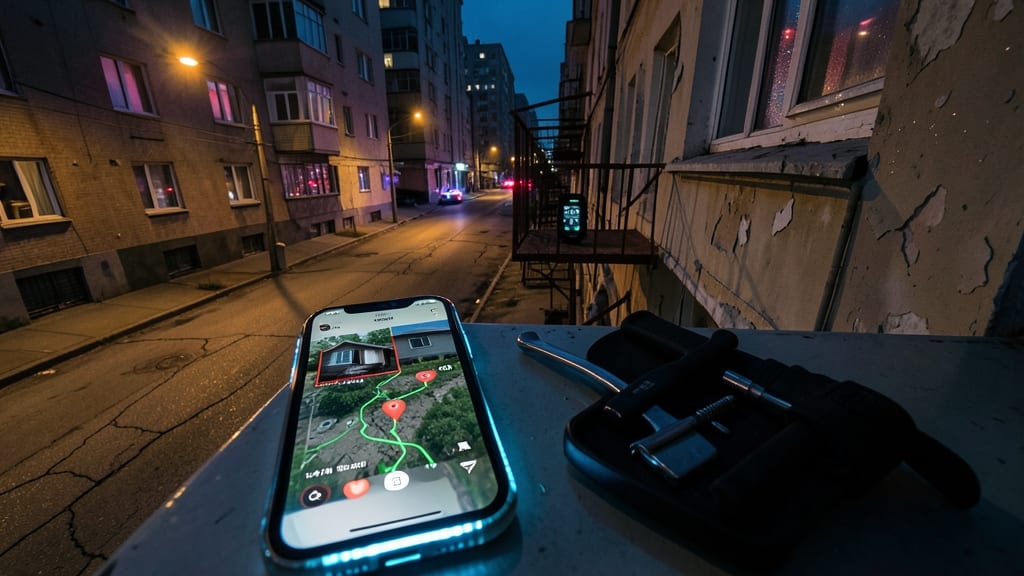
That LinkedIn post about your remote work setup might seem harmless, but HR could see it—and use it against you. Studies show 60% of recruiters screen candidates’ social media, and 43% have rejected applicants based on controversial or overly personal content, per CareerBuilder.
Even "private" posts about salary negotiations, medical leave, or political affiliations can resurface during background checks. One wrong post could trigger bias algorithms in applicant tracking systems (ATS), or worse, give competitors insider intel. The EEOC confirms discrimination claims tied to social media oversharing are rising—especially for protected categories like disability or religion.
Freelancers, job seekers, and remote workers should treat LinkedIn like a live portfolio audit. Use the "Grandma Test" (would your grandma approve?) and adjust privacy settings to "Only Me"** for sensitive topics. Your next promotion—or interview—could depend on it. 💻
Phishing Attacks Using Personal Details
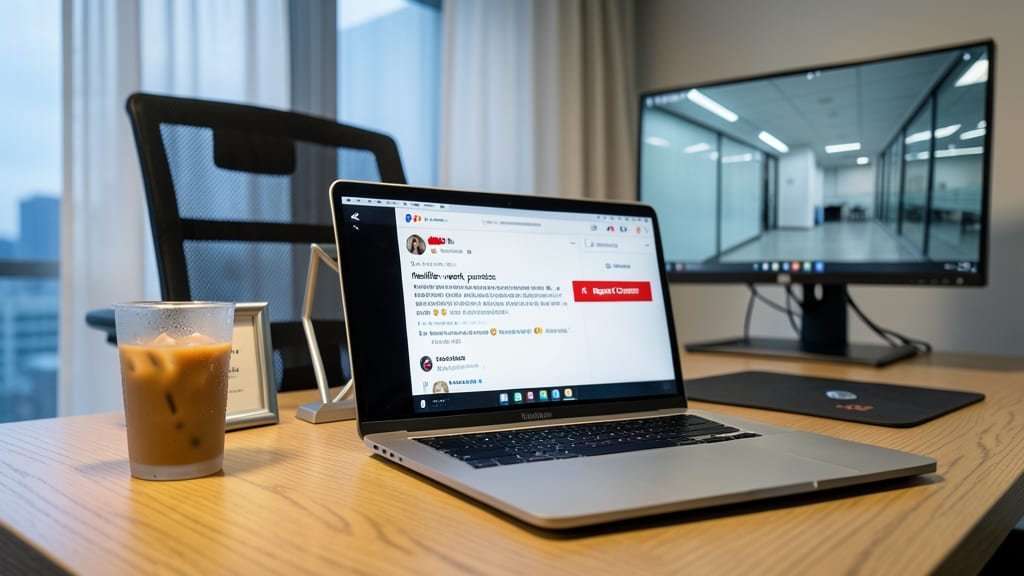
Ever received an email that felt too personal—like someone knew your favorite coffee shop or your dog’s name? That’s not a coincidence. Scammers harvest details from your likes, birthdays, and pet names to craft hyper-personalized phishing emails that bypass even the most skeptical users.
These attacks go beyond generic "Your account is locked" scams. Instead, they reference your child’s school name, a recent vacation photo, or even a private inside joke from your posts. Tools like social media scraping bots and AI-powered email generators make it easy for hackers to mimic trusted contacts—like your bank or a coworker—with alarming accuracy. A single overshared detail can be the key to unlocking your accounts.
Tech-savvy users aren’t immune—78% of phishing victims report being highly confident in their online security. The best defense? Limit public details, enable multi-factor authentication, and verify unexpected requests via a separate channel. 💡
Stalking and Harassment Risks
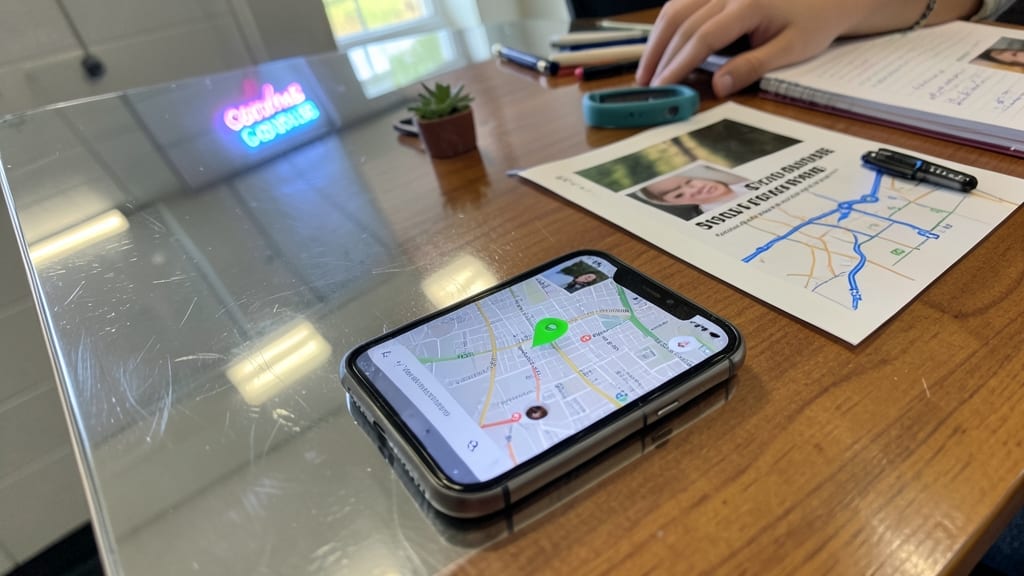
That gym selfie with your exact location tag or your kid’s school photo with the name of their neighborhood might seem innocent—but they’re gold for stalkers. Dating apps, fitness trackers, and even seemingly harmless check-ins create a digital breadcrumb trail that predators use to track routines, predict movements, and exploit vulnerabilities.
Consider this: A public Instagram post from a yoga studio check-in reveals your morning schedule, while a Facebook dating profile with "single parent" status and school drop-off times paints a clear picture of your daily life. Even "private" posts can be scraped by bots or leaked in data breaches, turning your habits into a predictable pattern for someone with malicious intent.
Single parents, frequent gym-goers, and dating app users should treat location-sharing like a security setting—default to private, review old posts, and avoid geotagging personal milestones. A little caution now could prevent a nightmare later. 💪
Blackmail and Sextortion Scams
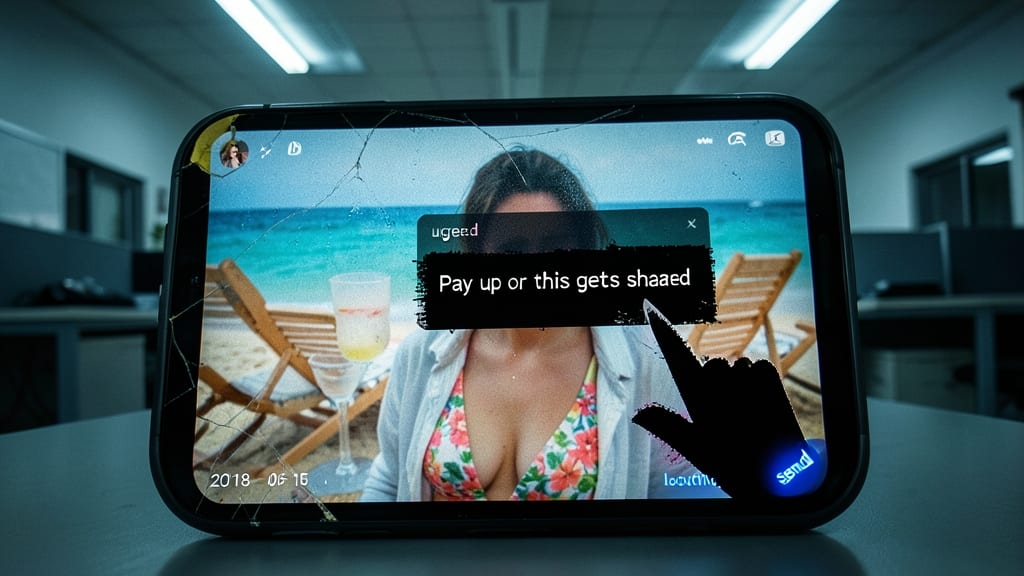
That vacation photo from 2018 might seem harmless now, but scammers can resurface it years later to pressure you into paying up. Blackmail and sextortion scams exploit private messages, old photos, or seemingly innocent posts—turning them into leverage for extortion. Unlike other threats, these attacks often start with a direct message claiming they’ve hacked your device or found compromising content.
The scam typically follows a script: "I have your private photos/videos—pay $1,000 in Bitcoin or I’ll leak them." Even if you’ve never shared explicit content, scammers use AI-generated deepfakes or stolen credentials to make threats feel real. The FBI reports these scams cost victims over $130 million in 2023 alone, with no guarantee of stopping the leaks even after payment.
Teenagers, remote workers, and public figures are prime targets, but anyone with a social media presence is at risk. Never engage—report the account and reset passwords immediately. 💻
Insurance Fraud From Health Updates
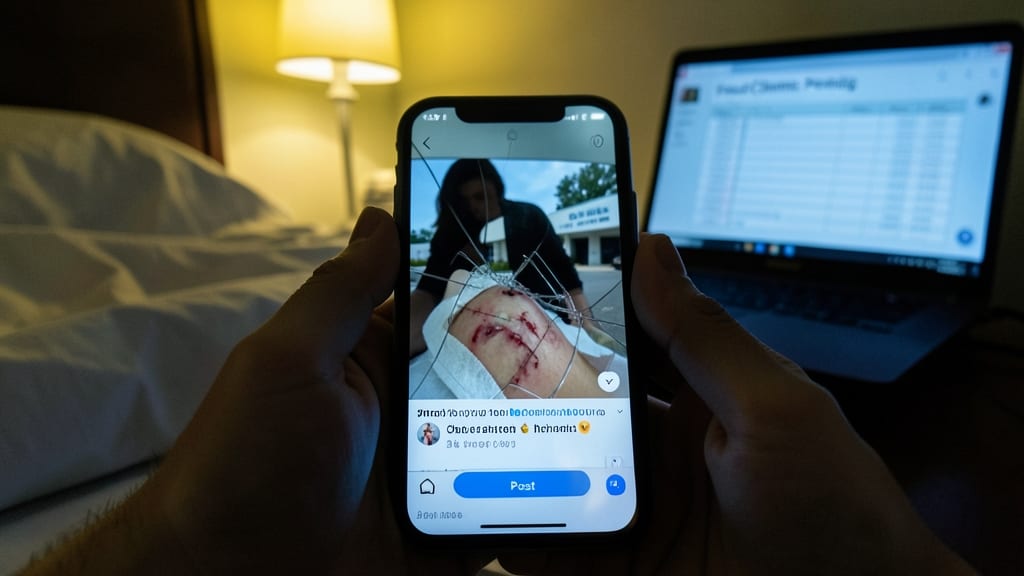
That "quick recovery update" post might cost you more than just likes—insurance fraudsters actively scour social media for clues to file fake claims. A single photo of your post-surgery bandage or a check-in at a rehab facility can trigger policy voids or fraudulent payouts, leaving you responsible for denied claims.
Many policies explicitly state that disclosing medical details online can void coverage, yet 68% of users unknowingly share health updates, according to a 2023 Federal Trade Commission report. Fraud rings even create fake profiles to mimic victims’ activities, using your posts to justify exaggerated injury claims or staged accidents—all while your insurer investigates you for inconsistencies.
If you’ve ever posted about a workout injury, dental procedure, or even a routine doctor’s visit, you’re not just oversharing—you’re handing fraudsters a blueprint for exploitation. Always assume your posts are public, even in "private" groups. 💡
Social Engineering via Family Posts
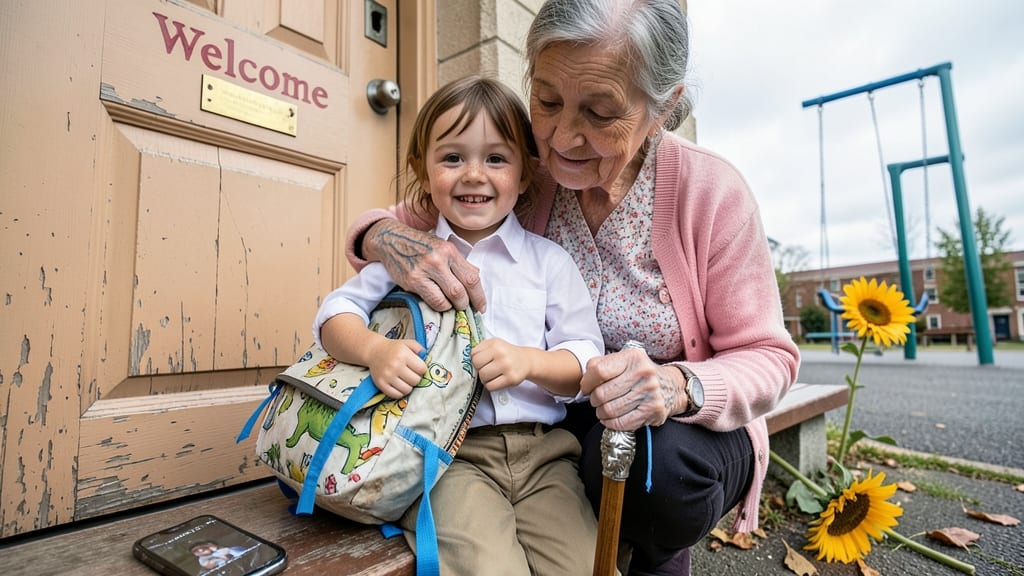
That adorable photo of your kid’s first day of school or your aging parent’s birthday celebration might seem harmless—but scammers use these images as psychological leverage to trick you into revealing sensitive data or sending money.
They’ll craft fake emergencies like "Your son was in a car accident" or "Your dad’s hospital bills are due" and demand urgent payments or login credentials. Even pet photos can be exploited—scammers might claim your dog is lost and pressure you to share location data. The emotional manipulation works because these posts reveal who you care about most.
Parents, grandparents, and pet owners are especially vulnerable—scammers study your posts to build trust before striking. Always verify unexpected requests through direct calls (not texts or emails) and avoid sharing real-time updates about family whereabouts. 💡
Targeted Advertising and Data Exploitation
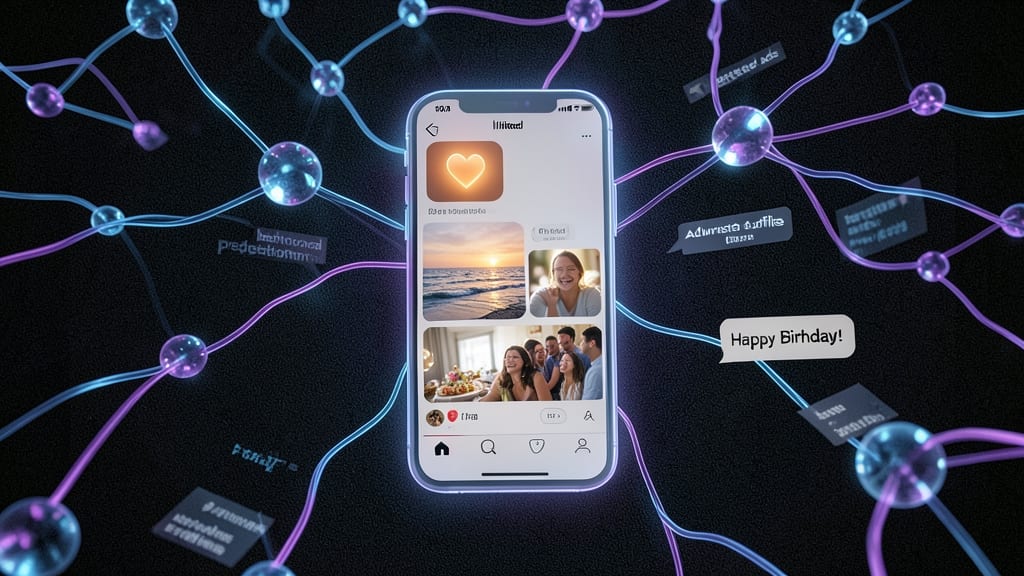
Every "liked" post, tagged photo, or casual comment you share isn’t just for friends—it’s raw data being harvested by algorithms to predict and profit from your behavior. Companies like Meta and Google don’t just track what you post; they analyze it to sell you to advertisers, landlords, or even political campaigns at a premium.
Your browsing history, purchase habits, and even emoji usage (yes, really) get bundled into behavioral profiles worth thousands to the highest bidder. For example, a landlord might see your posts about moving and inflate rent prices, while political groups use your "likes" to tailor micro-targeted ads designed to manipulate your votes. The real cost? Your privacy—and sometimes, your wallet.
Even "private" posts aren’t safe: metadata, timestamps, and location data often leak, creating a digital fingerprint that follows you everywhere. If you’re a freelancer, job seeker, or activist, this level of exposure can have serious consequences. 💡
Legal Consequences for Sensitive Posts
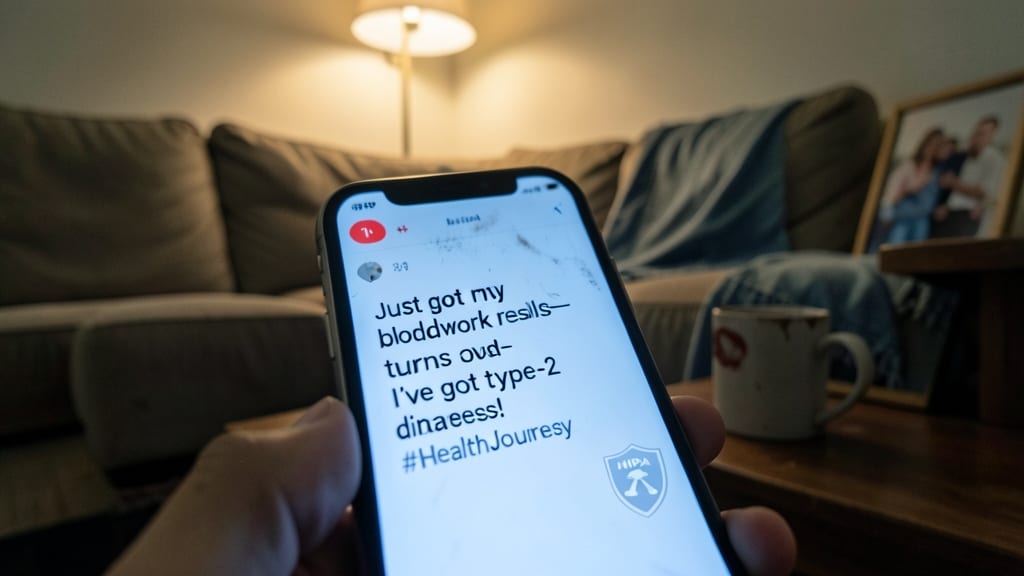
That medical diagnosis you shared as a "quick update" might land you in legal hot water. Under HIPAA (Health Insurance Portability and Accountability Act), even casual posts about treatments, prescriptions, or doctor visits can violate patient confidentiality laws—with fines up to $1.5 million per violation for healthcare providers (and liability risks for patients too).
Similarly, court dates, legal settlements, or workplace disputes posted publicly could expose you to defamation lawsuits or breach-of-confidentiality claims. Some states classify workplace gossip as unauthorized disclosure of trade secrets, punishable by lawsuits or even criminal charges. Even "innocent" posts like vacation photos while on FMLA leave (Family and Medical Leave Act) can trigger employer scrutiny.
Freelancers, healthcare workers, and legal professionals face the highest risks—but anyone can accidentally violate laws like GDPR (General Data Protection Regulation) if sharing personal data without consent. Always assume sensitive posts could be screenshotted, subpoenaed, or exploited. 💻
Emotional Manipulation Through Oversharing
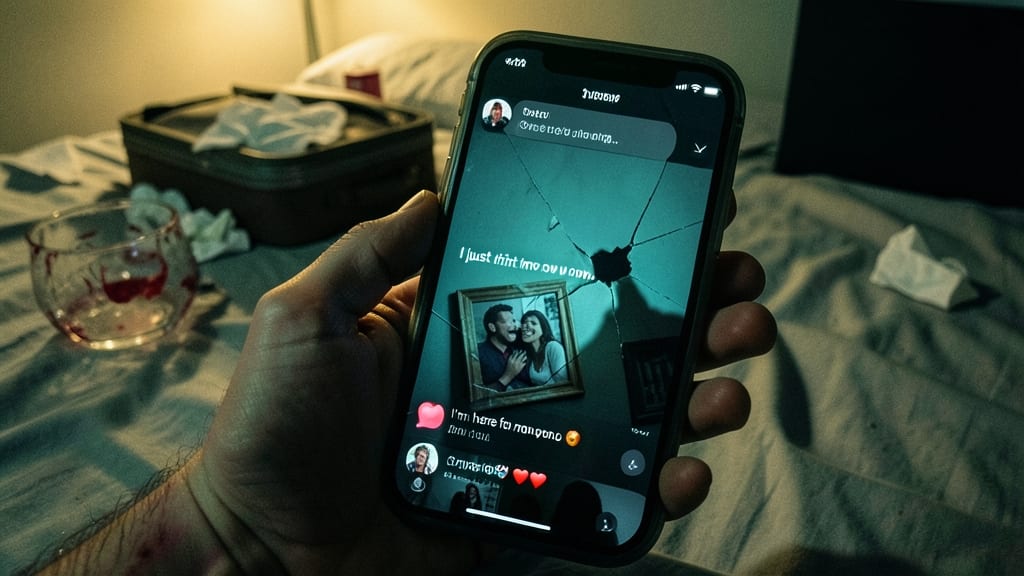
That heart-to-heart post about your breakup might feel cathartic, but it could also attract emotional manipulators lurking in your network. Studies show that oversharing personal struggles—financial stress, relationship drama, or mental health battles—can trigger a surge of fake "support" from strangers with ulterior motives.
These predators often pose as sympathetic listeners in DMs, offering loans, romantic entanglements, or even emotional blackmail. One 2023 report found that 38% of victims who overshared on social media later faced demands for money or personal favors from "friends" they barely knew. Worse, some use your posts to gaslight or groom you into trusting them—only to exploit your vulnerability later.
If you need to vent, try private journals or trusted confidants instead. Platforms like Day One (for iOS) or Ente (end-to-end encrypted notes) let you process emotions safely, without turning your pain into a public resource for predators. 💪